

NEW ENTRY

2026/2/3
Why Japan Loves Compact & Foldable Things: Living Beautifully in Small Spaces
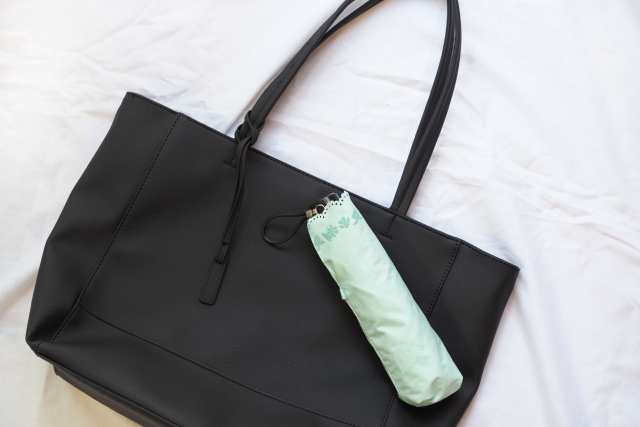
Japan loves compact and foldable things because daily life is designed around flexible space, easy storage, and smooth routines. What looks like “clever mini design” to visitors is often a practical answer to small homes, multi-purpose rooms, strong seasons, and a culture of moving through cities on foot and by train. This article explains the real logic behind Japan’s compact design—and why it feels natural in Japan but not always necessary elsewhere. Key idea: compact design in Japan is a lifestyle system, not just a design trend. Why it exists: small spaces + multi-purpose rooms + seasonal storage + public transit. What it creates: rooms that reset easily, less daily friction, and a calm feeling of order. What you’ll notice: foldable bedding, stackable seating, flexible wrapping, and storage-first thinking. Compact & Foldable in Japan: A Lifestyle System Many people assume Japan’s compact products are simply a matter of taste. But the deeper reason is daily life design. In Japan, a “good object” is often judged not by how impressive it looks, but by how smoothly it fits into everyday routines—especially in limited space. That is why compact design appears everywhere: at home, on the street, at stations, in packaging, and even in how rooms are used. Not Just Small Homes: Rooms Are Designed to Change Yes, Japanese homes are often smaller than those in many countries. But “small” alone does not explain the obsession with foldable and storable items. Traditional home life also assumes that rooms can change purpose across the day. Daytime: open ...
2026/1/25
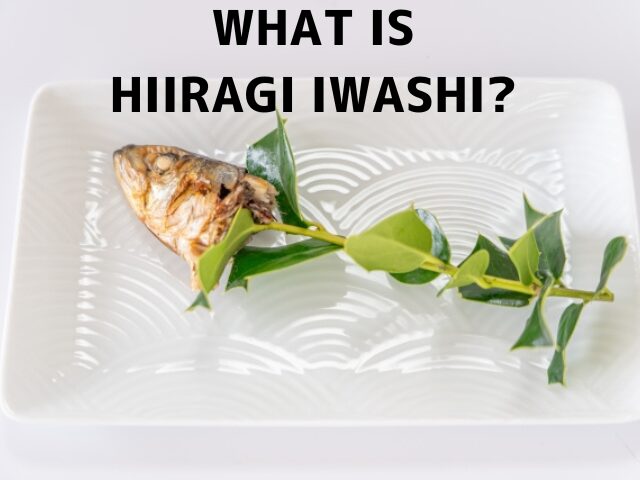
What Is Hiiragi Iwashi? The Spiky Setsubun Charm Made from Holly and Sardine
Hiiragi iwashi is a traditional Setsubun charm made from spiky holly leaves and a grilled sardine head. In Japan, Setsubun marks a seasonal “reset” in early February. And hiiragi iwashi is one of the most literal versions of that idea: a small, practical-looking object placed near the entrance to symbolically keep oni (misfortune) from entering the home. Quick Summary: Hiiragi iwashi is a Setsubun charm made from spiky holly leaves and a grilled sardine head, placed outside (usually near the entrance) to symbolically keep oni—misfortune—out. It’s most associated with western Japan, and households vary on when to take it down and how to dispose of it. If you’re new to Setsubun, start here: What Is Setsubun? You can also see the modern home version here: Setsubun in Real Life. What Is Hiiragi Iwashi? Hiiragi iwashi is a Setsubun talisman made by combining hiiragi (holly leaves) and iwashi (a sardine), usually using only the grilled sardine head. It is placed outside the home—most commonly at the front entrance—to ward off oni and bad luck. Why Holly Leaves and a Sardine Head? The logic is folk tradition, but it makes emotional sense the moment you see it. Holly leaves are sharp — the spiky edges are believed to repel oni. Grilled sardine smells strong — the odor (and smoke) is believed to drive oni away. So hiiragi iwashi is not “pretty decoration.” It is a small “keep-out” sign made from two things oni supposedly dislike: sharp leaves and a strong smell. When Do People ...

2026/2/7
What Is Nyūyokuzai? A Practical Guide to Japanese Bath Additives
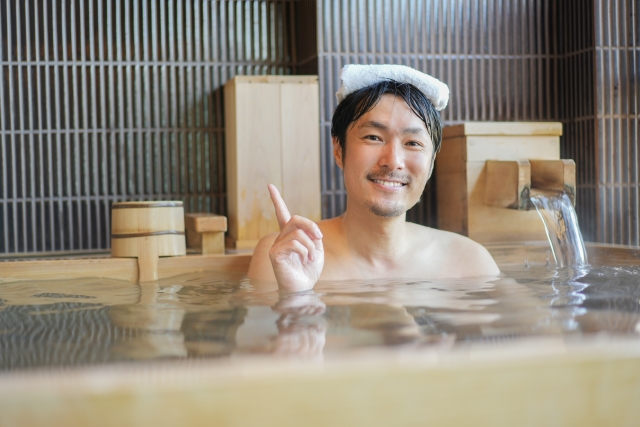
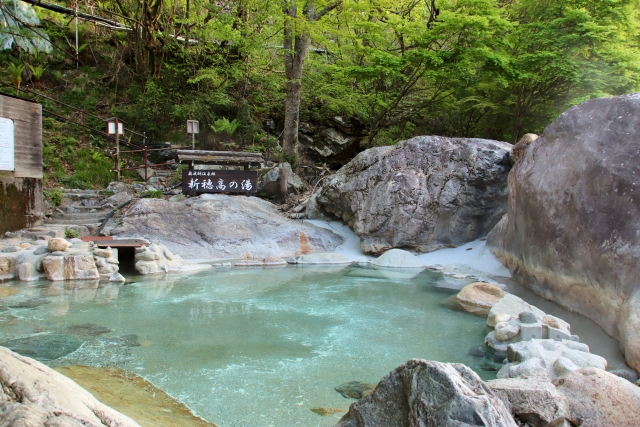
Japanese bath additives (called nyūyokuzai) are products added to bathwater—powders, salts, tablets, or liquids—to change the bath’s scent, color, and overall “feel.” In Japan, where the evening bath (ofuro) is treated as a daily reset rather than a quick wash, nyūyokuzai are a small but very common ritual: you choose today’s mood, pour it in, and let the bathroom become a tiny seasonal spa. This guide explains what nyūyokuzai are, how they differ from onsen, the main types, and how Japanese people actually use them at home. What Is Nyūyokuzai? Nyūyokuzai is a bath additive: a product designed to dissolve or mix into bathwater to enhance the bathing experience through fragrance, color, texture, and “onsen-like” atmosphere. They’re sold everywhere in Japan—supermarkets, drugstores, convenience stores, and gift sets—often in single-use packets. That packaging makes it easy to rotate scents and styles like you rotate snacks or tea. Why Bathing Feels Like a Ritual in Japan In Japan, the bath is often the main relaxation moment of the day. The typical pattern is wash first (shower and scrub outside the tub), then soak to warm up and unwind. This basic flow is also the logic behind onsen etiquette—though the setting and water source are different. Because soaking is the point, small details matter: temperature, atmosphere, seasonal mood, and scent. Nyūyokuzai fit naturally into that culture as a simple way to make an ordinary bath feel intentional. Not Onsen, But “Onsen-Inspired” Nyūyokuzai are not the same as onsen water. Onsen is natural geothermal water that ...

2026/1/26
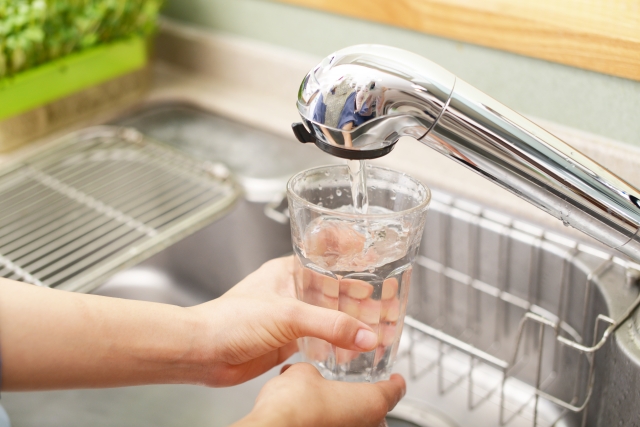
Tap Water in Japan: Safe to Drink, and Why Many People Still Filter It
Tap water in Japan is generally safe to drink, and many travelers are surprised by how normal that feels in everyday life. You don’t have to rely on bottled water, and even public taps are typically fine. At the same time, Japan also has a curious everyday pattern: even though the water is drinkable, many people still choose filters at home—or buy bottled water anyway. This article explains what makes Japanese tap water drinkable, why it often tastes “soft,” and what that small “filter culture” reveals about daily life in Japan. Is Tap Water Safe to Drink in Japan? In general, yes—tap water in Japan is safe to drink in most places. For travelers, the practical takeaway is simple: you can usually drink from the sink without worry. Many locals drink tap water as a normal part of daily life. It is not treated as a special “survival tip,” but as a quiet baseline assumption: clean water is expected. What About Hotels and Public Places? In most situations, tap water is safe. Hotels: generally safe, especially in modern buildings Older accommodations: usually safe, though taste may vary depending on pipes Public taps and fountains: typically safe in cities, parks, and stations From a safety perspective, even water from a park tap is usually not a problem. If you are sensitive to taste or prefer extra reassurance, boiling water or choosing bottled water is also an easy option. Does Japanese Tap Water Taste Different? Many visitors notice that Japanese tap water tastes “soft” ...
2026/1/27
Real Wasabi vs. Fake Wasabi: Why Most “Wasabi” Isn’t Real
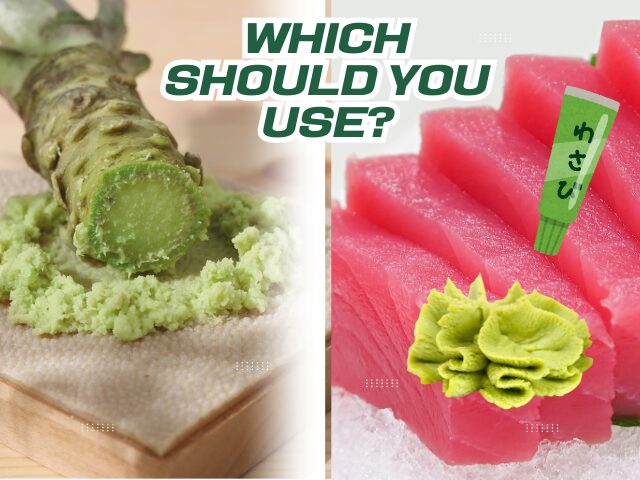
Most “wasabi” served around the world (and often even in Japan) is not real wasabi. What many people recognize as wasabi is usually a horseradish-based substitute made to imitate the heat and color of Japan’s native plant. Real wasabi (hon-wasabi) is rare, expensive, and highly perishable—so rare that many visitors to Japan never taste it freshly grated. This guide explains what real wasabi is, why substitutes dominate, how the flavors differ, and how to experience authentic hon-wasabi for yourself. What Is Real Wasabi? Real wasabi, called hon-wasabi (Wasabia japonica), is a perennial plant native to Japan. It thrives in cool, pristine mountain streams where water runs constantly and cleanly. Because it requires stable temperatures (roughly 13–16°C year-round), steady flow, shade from trees, and mineral-rich water, cultivation is difficult and site-limited. The edible part is the rhizome, which is grated right before serving. The flavor is delicate and complex: a bright, nasal heat that rises quickly and fades, leaving subtle sweetness and fresh green notes. Unlike chili heat that lingers, wasabi’s pungency is quick and clean. What Most People Eat: The Common Substitute Outside of high-end sushi restaurants, the “wasabi” you meet is usually a substitute made from horseradish, mustard, starch, oil, and green coloring. It’s affordable, shelf-stable, and easy to mass-produce, which explains its global spread in supermarkets, casual restaurants, and takeaway packs. Convenient tube wasabi is also a household staple in Japan. Many tubes are primarily horseradish-based; some premium products include a portion of real wasabi for aroma, along with stabilizers to ...